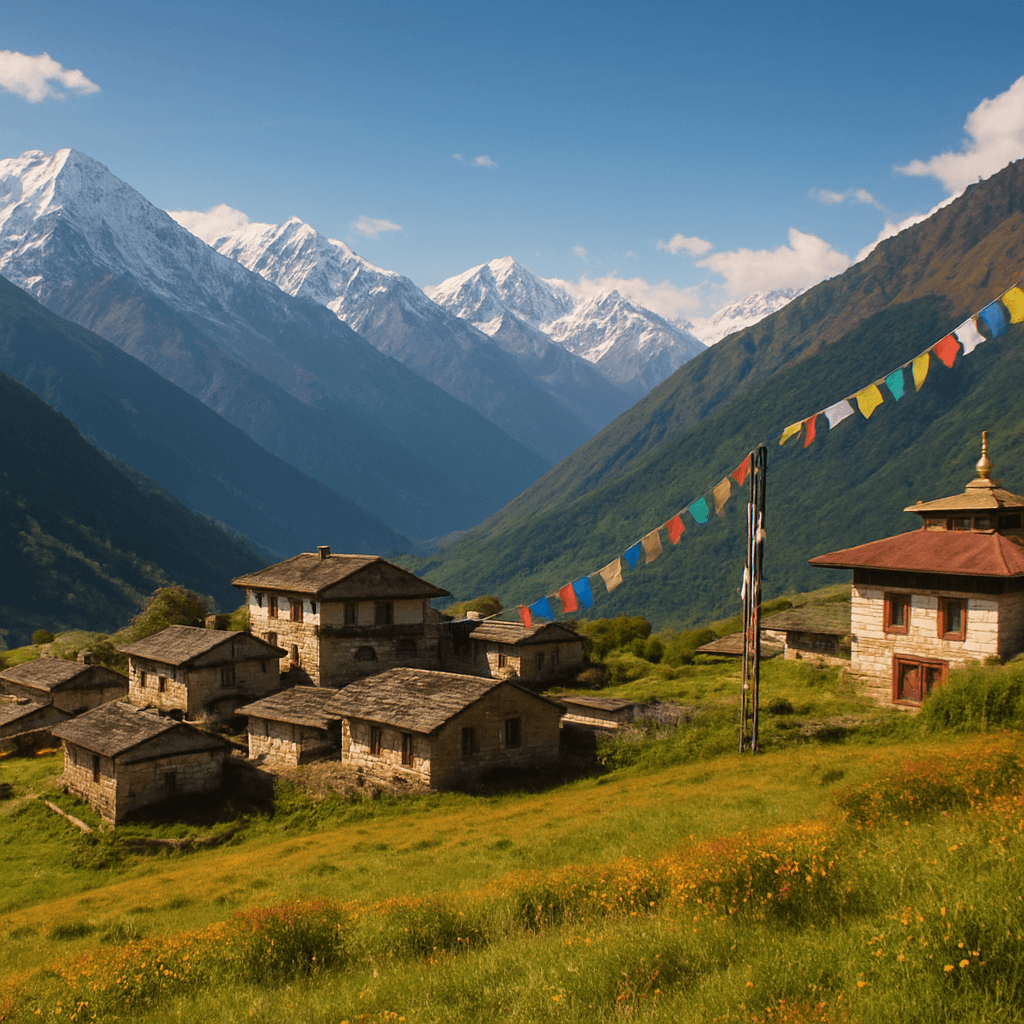
Preventing and Managing Altitude Sickness on Mountain Treks
# Preventing and Managing Altitude Sickness
Altitude sickness (also called acute mountain sickness or AMS) is a common concern for trekkers. Here's what you need to know.
Understanding Altitude Sickness
Altitude sickness occurs when your body doesn't get enough oxygen at high altitudes. Symptoms typically appear at 2,500 meters or higher.
Symptoms of AMS
- Headache
- Nausea or dizziness
- Fatigue
- Difficulty sleeping
- Loss of appetite
Prevention Strategies
1. **Gradual Acclimatization**: Climb slowly and take rest days 2. **Stay Hydrated**: Drink 3-4 liters of water daily 3. **Avoid Alcohol**: It can worsen symptoms 4. **High Carbohydrate Diet**: Easier to digest at altitude 5. **Ginkgo Biloba**: May help with acclimatization
When to Seek Help
If you experience severe symptoms like persistent vomiting or confusion, descend immediately and seek medical help.
Medication Options
- Acetazolamide (Diamox): Speeds up acclimatization
- Ibuprofen: Reduces headache
- Ondansetron: Reduces nausea
Recovery
Most cases of AMS resolve within 24 hours of descending. Always prioritize your health over your schedule.